
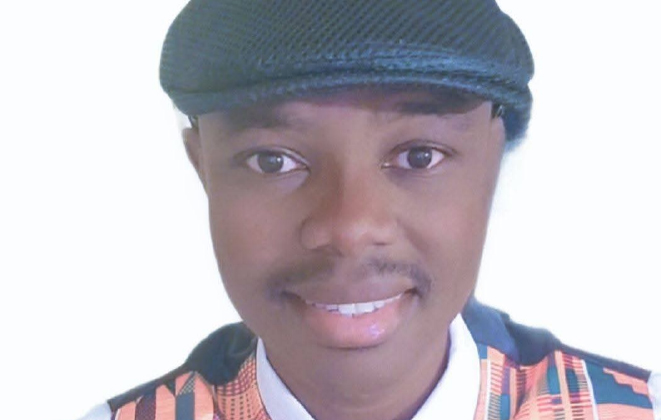
I am a third-year PhD student in statistics at North Carolina State University. When I started my PhD in August of 2023, I thought the journey would be mostly about hard classes, exams, research, and papers. I knew it would be difficult, but I didn’t realize how much it would shape me as a person, as well.
It was a big step coming to the United States for a PhD program from Obuasi, Ghana, Africa. It meant adapting to a new academic system, a new environment, a new culture, and a new way of life. At the same time, I was suffering from the loss of family members. That season, school and grief often shared the same desk, and I learned to extend grace to myself and understand that progress is not always loud.
Difficult Seasons Do Not Define You
One of the first lessons of my PhD journey is that hard times do not determine your ability. In a PhD program, it is easy to look around and think everyone else is doing better. Someone might get it faster and some might talk more confidently. Someone might also seem to have it all together. My start was not easy, and I had to face disappointment, fear, and pressure. But I kept studying, asking questions, and showing up, even when strength was hard to find.
Progress came in time. I completed many graduate credit hours, passed my qualifying exam, and earned an unconditional pass on my oral preliminary exam. I also joined Mu Sigma Rho, the national statistics honor society. These times remind me that the beginning of the journey doesn’t have to dictate the end.
Read the Student Handbook Early
Incoming graduate students need to read the student handbook early on. The handbook covers the rules, deadlines, exams, degree requirements, funding policies, forms, committees, and expectations. It is easy to depend on what someone says, but word of mouth is not sufficient. The handbook is like a map because it helps you know what is ahead and what steps you need to take.
Ask early if something is not clear to you. See your adviser. Ask the graduate program coordinator. Ask the seniors. It’s better to ask a question early than to misunderstand an important requirement later.
Mentors and Advisers Matter
Another lesson is that mentors really matter. The PhD is not a journey to walk alone. You don’t always see your potential from the start. Some people see where you are, but the right people see what you can become. A good adviser and mentor will help you see what you can’t see yet. They will correct you without damaging your confidence. They can remind you that you can do it when doubt begins to creep in.
I am thankful to my academic and research advisers, my mentors, and those who supported me. Sometimes it took only one meeting to breathe again. There were times when a single word of encouragement restored my faith in myself. Their support didn’t mean they made it all easy. They led me, corrected me, challenged me, and encouraged me. One thing I’ve learned is to be close to people who believe in you and people who help you grow.
Research Takes Time
Research is also time consuming. Before I started my PhD, research seemed much more straightforward. You read papers, find a problem, solve it, and write the paper. But the research isn’t always that way.
Sometimes an idea doesn’t work. Code sometimes gives errors. Sometimes the math gets harder than you expect. I spent more than 12 hours in the lab, going through my code line by line, trying to understand why it was not running. These moments can be frustrating, but they teach patience, discipline, and attention to detail.
Research humbles. It teaches you to accept feedback, to reconsider, to revise your work, and to try a different approach when necessary. To me, every step matters and the slow days are still training.
Build Community
Community is important in graduate school. It’s great to have people you can learn from, talk to, and study with. Having classmates who understand the pressure helps. Having people who can cheer you up after a long day helps, too. I am also thankful for the support I have received from my department.
But community should not just be from your department or school. Some of my strongest support came from people outside my program. We had similar values, similar experiences, and similar hopes. They probably didn’t understand all the details of my statistics work, but they understood me as a person. That kind of support makes a difference.
Community doesn’t always happen naturally. Attend seminars and chat with people after class. Stay connected with people who remind you of who you are outside of school.
Do Not Compare Your Path
Comparison is the death of joy. Someone might publish before you in grad school. Someone might pass the exam before you. Someone might appear more self-confident than you. But every student’s journey is different.
It has been important to learn to respect my own timetable. I believe growth is still growth, even if it’s slow. The important thing is not to move faster than everyone else, but to make progress with purpose.
Take Care of Yourself
Part of success is taking care of yourself. Rest is not laziness. Sleep is important. Family and friendship are important. Health is important. Faith also mattered for me. My faith in God gave me strength for seasons when I didn’t have easy answers (Isaiah 40:31, 2 Timothy 4:17). The PhD can be a tough period, but a student is a person first and no degree should wipe out a person’s humanity.
Advice to Future Students
For undergraduate students thinking about graduate school, do not wait until you know everything. Nobody starts a PhD knowing everything. What counts is the willingness to learn, discipline, patience, and courage when life gets tough.
Ask questions. Find mentors. Read the student handbook. Create good habits. Learn to write. Learn to program. Learn to talk about your work in a way others can understand it. Learn to ask for help, too.
Looking back, there is a lot to be thankful for. It has been a tough journey, but it has taught me patience, courage, discipline, and gratitude. More than anything, it has taught me that a PhD does not only train you to become a researcher and scholar. It also teaches you how to endure difficult seasons, learn from painful moments, and become stronger without losing yourself.
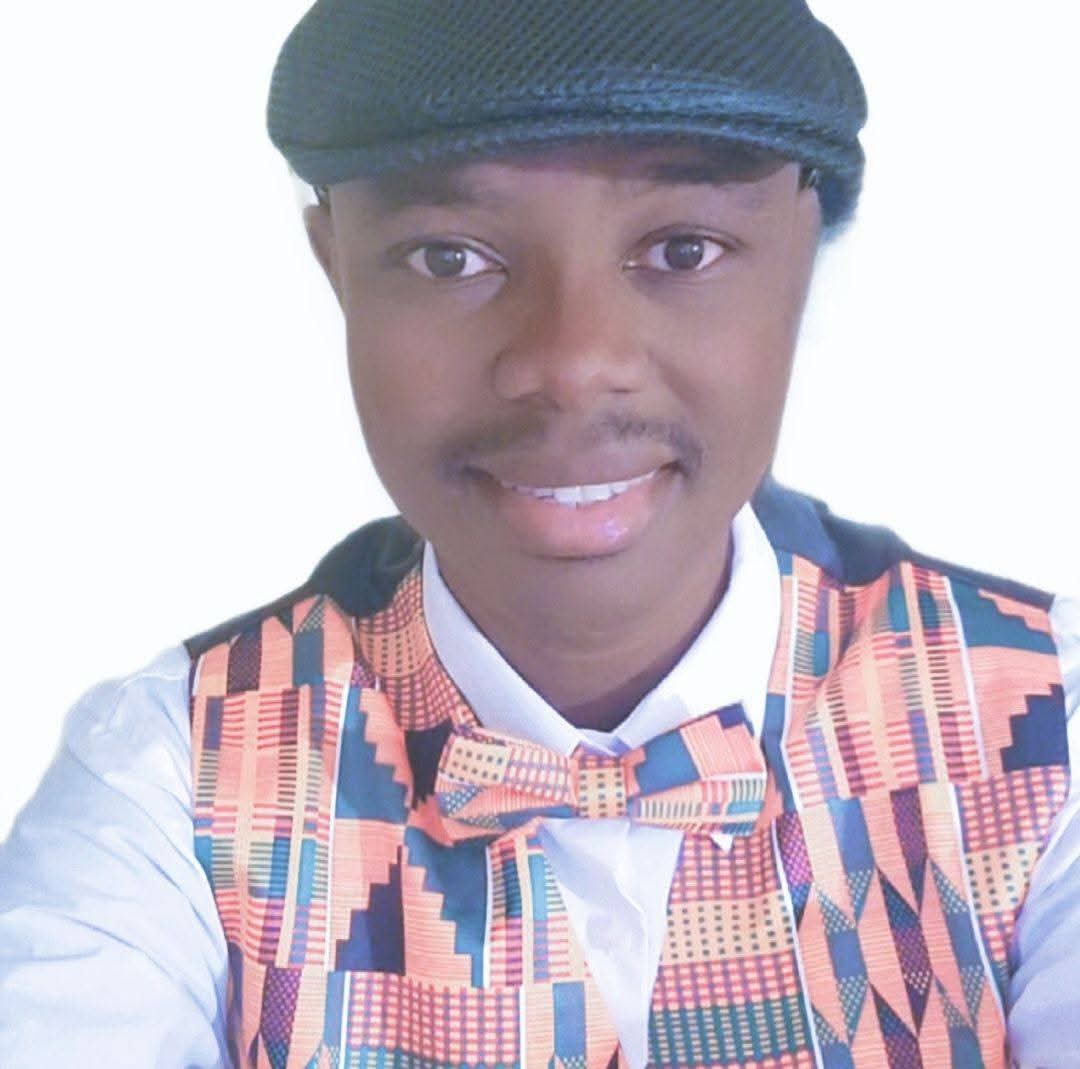
Timothy Boakye
PhD Candidate, North Carolina State University
Leave a Reply